All prices include VAT and delivery in Belgium and Luxembourg

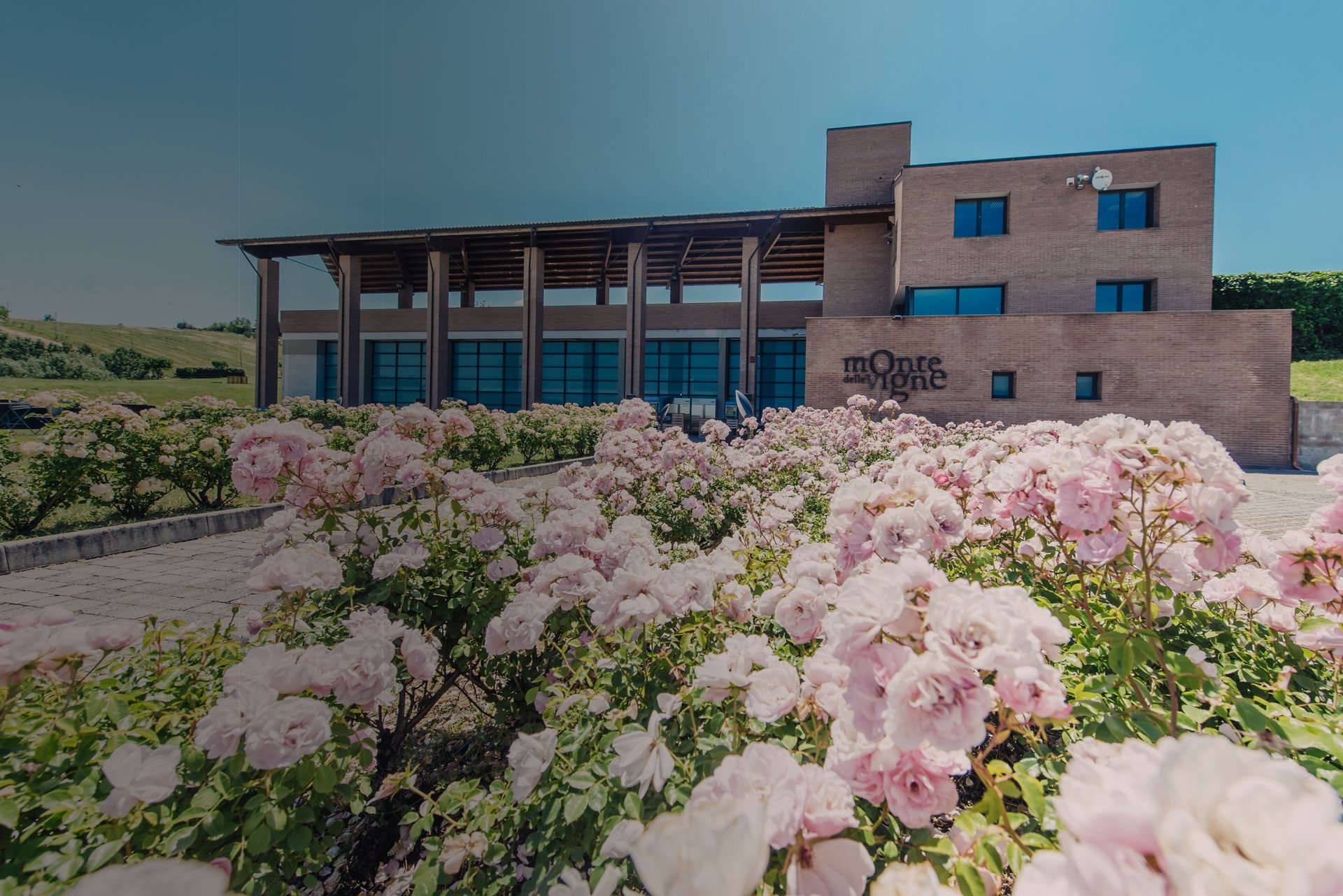
Monte Delle Vigne
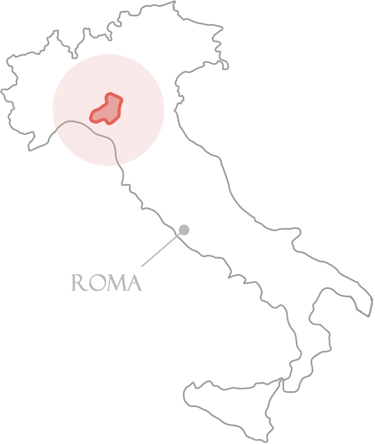
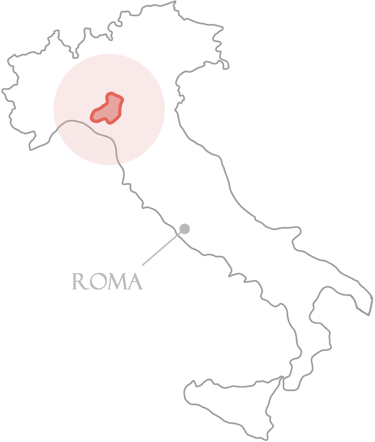
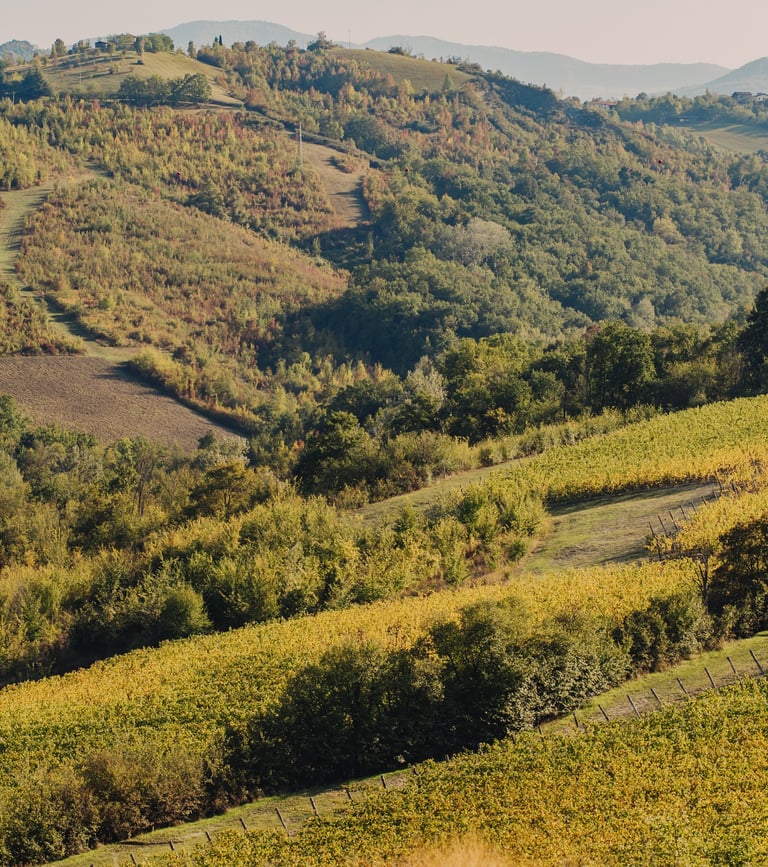
Situated in the gentle hills of Ozzano Taro with its 100 hectares of woods, calanques, meadows, rivers and vineyards, Monte Delle Vigne tells an exciting story of love for the land; respecting nature and tradition through winemaking.
Monte Delle Vigne
Situated in the gentle hills of Ozzano Taro with its 100 hectares of woods, calanques, meadows, rivers and vineyards, Monte Delle Vigne tells an exciting story of love for the land; respecting nature and tradition through winemaking.
"THE ORGANIC CERTIFICATION IS A RECOGNITION OF THE PATH WE HAVE WALKED SO FAR IN THE SAFEGUARD OF NATIVE VARIETIES, VINES AND THE ENVIRONMENT."
Exploiting natural forces such as gravity, warmth and rainwater with modern, innovative and clean technologies sits at the core of monte delle vigne's winemaking.
Opting for organic farming through low impact techniques and precision agriculture, Monte Delle Vigne brings forth high-quality wines from its rich terroir.
"THE ORGANIC CERTIFICATION IS A RECOGNITION OF THE PATH WE HAVE WALKED SO FAR IN THE SAFEGUARD OF NATIVE VARIETIES, VINES AND THE ENVIRONMENT."
Exploiting natural forces such as gravity, warmth and rainwater with modern, innovative and clean technologies sits at the core of monte delle vigne's winemaking.
Opting for organic farming through low impact techniques and precision agriculture, Monte Delle Vigne brings forth high-quality wines from its rich terroir.





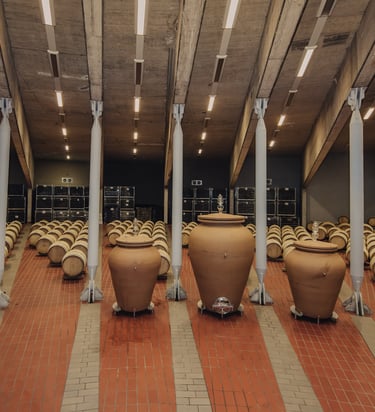
Maturation in amphorae
Details about
Maturation in wood & steel
Modern wine cellar
Coming soon
Maturation in amphorae
Details about
Maturation in wood & steel
Modern wine cellar
Coming soon
Organic farming
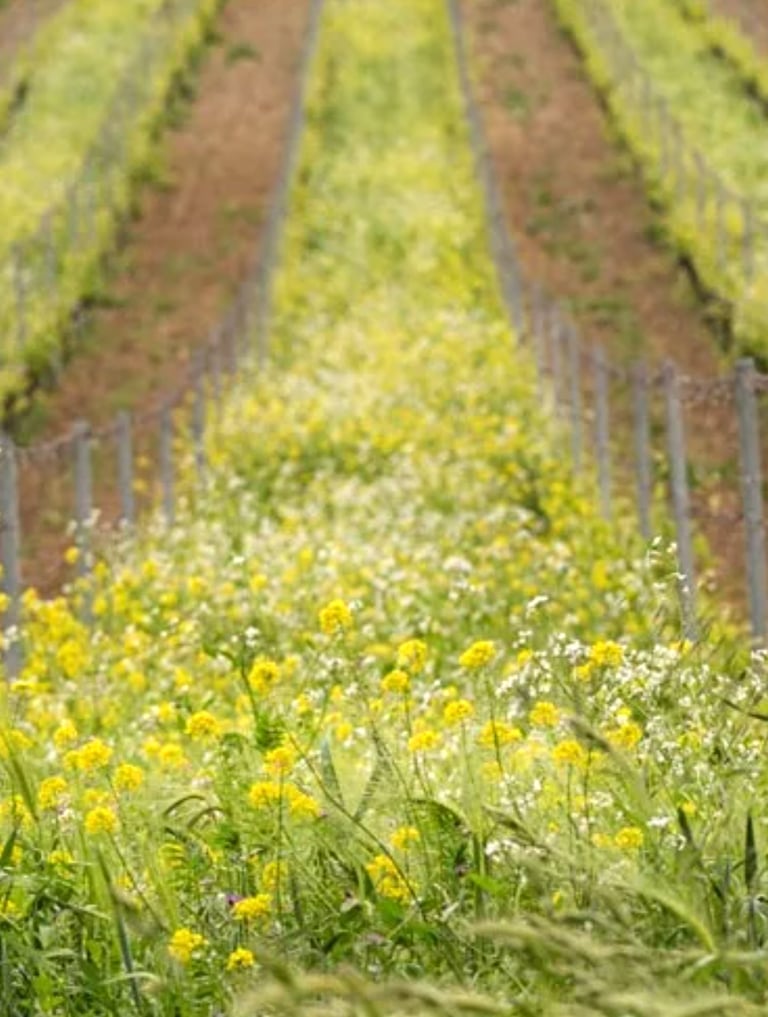



The place the winery lies on, before being established, has been connected to the cultivation of forage crops destinated to the livestock for Parmigiano Reggiano cheese, thus it was left very natural and without use of chemicals.
"This kind of very healthy soil was the base for the plantation of our barbatelle (vine shoots)!"
The environment and the respect for the beauty of our area pushed the propriety of the estate to preserve the nature surrounding the winery. Of course the first step was to work without the use of systemic chemicals, including herbicides, as testifies the milestone in 2021 with the organic certification by ICEA (Institute for Ethical and Environmental Certification) on all of our vineyards!
"Sustainability in all areas!"
Being embraced by three natural parks (Carrega Woods Regional Park, Fluvial Park of River Taro, Tuscan-Emilian Apennine National Park) means that our vineyards are very well protected from pollution. Having also a natural fresh breeze coming from the near Pass of Cisa (1.040 AMSL) helps the grapes to be very dry and healthy, free of harmfull moss and moisture.
The parameters of humidity, temperature and wind are recorded 24/7 via a system within the vineyard itself and help us to know when a treatment needs to be done. Everything within the vineyard is handled manually, including the pruning during winter and throughout the vine's growth. Also we cut the grass systematically in between the raws .
Together with low impact techniques and precision agriculture, dosing water, choosing organic fertilizers and green manure, our focus lies on building a “zero impact” future; to contribute to our and our childrens’ well-being, to keep telling stories of great terroir and high-quality wines...
Organic farming
The place the winery lies on, before being established, has been connected to the cultivation of forage crops destinated to the livestock for Parmigiano Reggiano cheese, thus it was left very natural and without use of chemicals.
"This kind of very healthy soil was the base for the plantation of our barbatelle (vine shoots)!"
The environment and the respect for the beauty of our area pushed the propriety of the estate to preserve the nature surrounding the winery. Of course the first step was to work without the use of systemic chemicals, including herbicides, as testifies the milestone in 2021 with the organic certification by ICEA (Institute for Ethical and Environmental Certification) on all of our vineyards!
"Sustainability in all areas!"
Being embraced by three natural parks (Carrega Woods Regional Park, Fluvial Park of River Taro, Tuscan-Emilian Apennine National Park) means that our vineyards are very well protected from pollution. Having also a natural fresh breeze coming from the near Pass of Cisa (1.040 AMSL) helps the grapes to be very dry and healthy, free of harmfull moss and moisture.
The parameters of humidity, temperature and wind are recorded 24/7 via a system within the vineyard itself and help us to know when a treatment needs to be done. Everything within the vineyard is handled manually, including the pruning during winter and throughout the vine's growth. Also we cut the grass systematically in between the raws .
Together with low impact techniques and precision agriculture, dosing water, choosing organic fertilizers and green manure, our focus lies on building a “zero impact” future; to contribute to our and our childrens’ well-being, to keep telling stories of great terroir and high-quality wines...
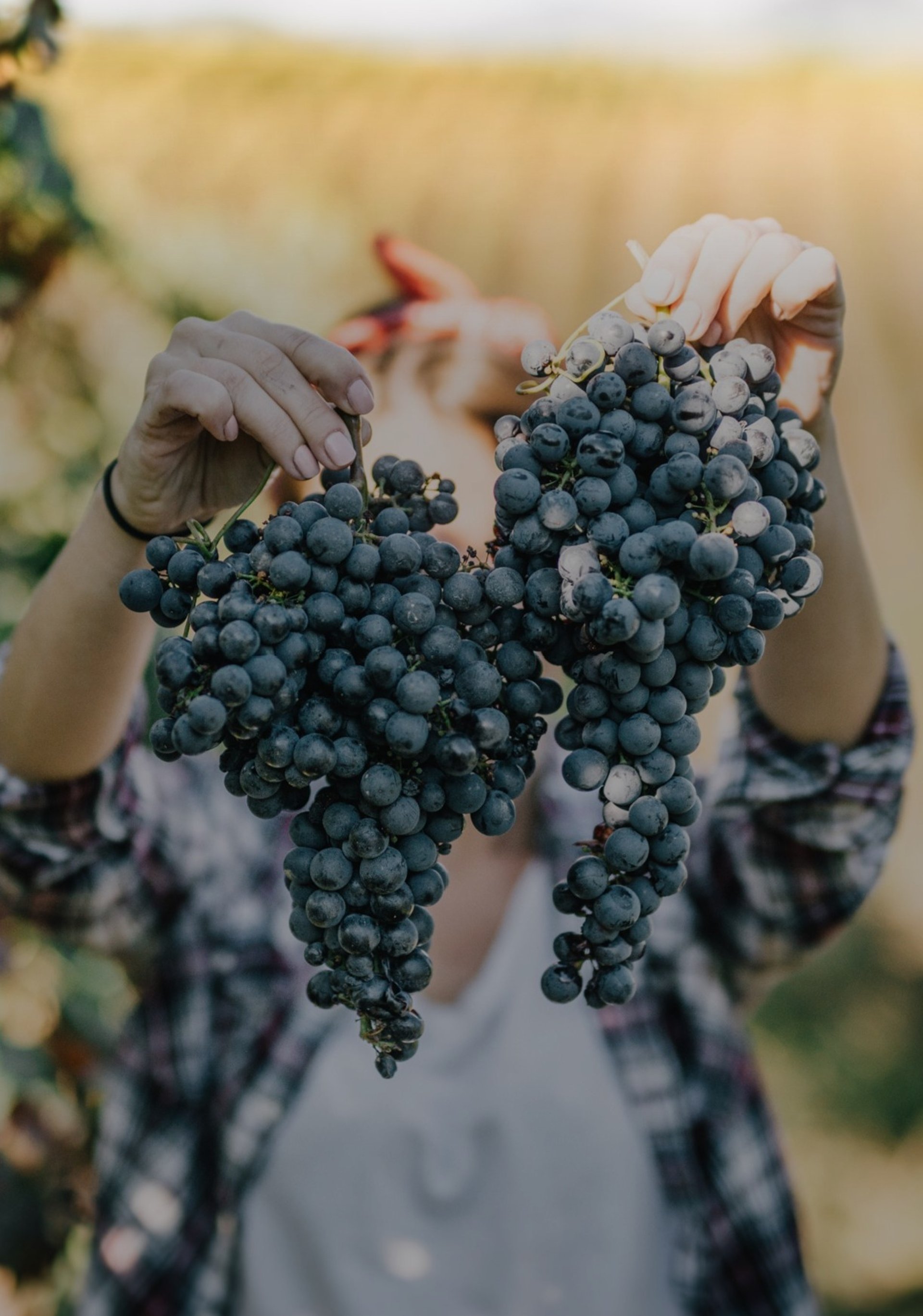
Strictly manual harvest
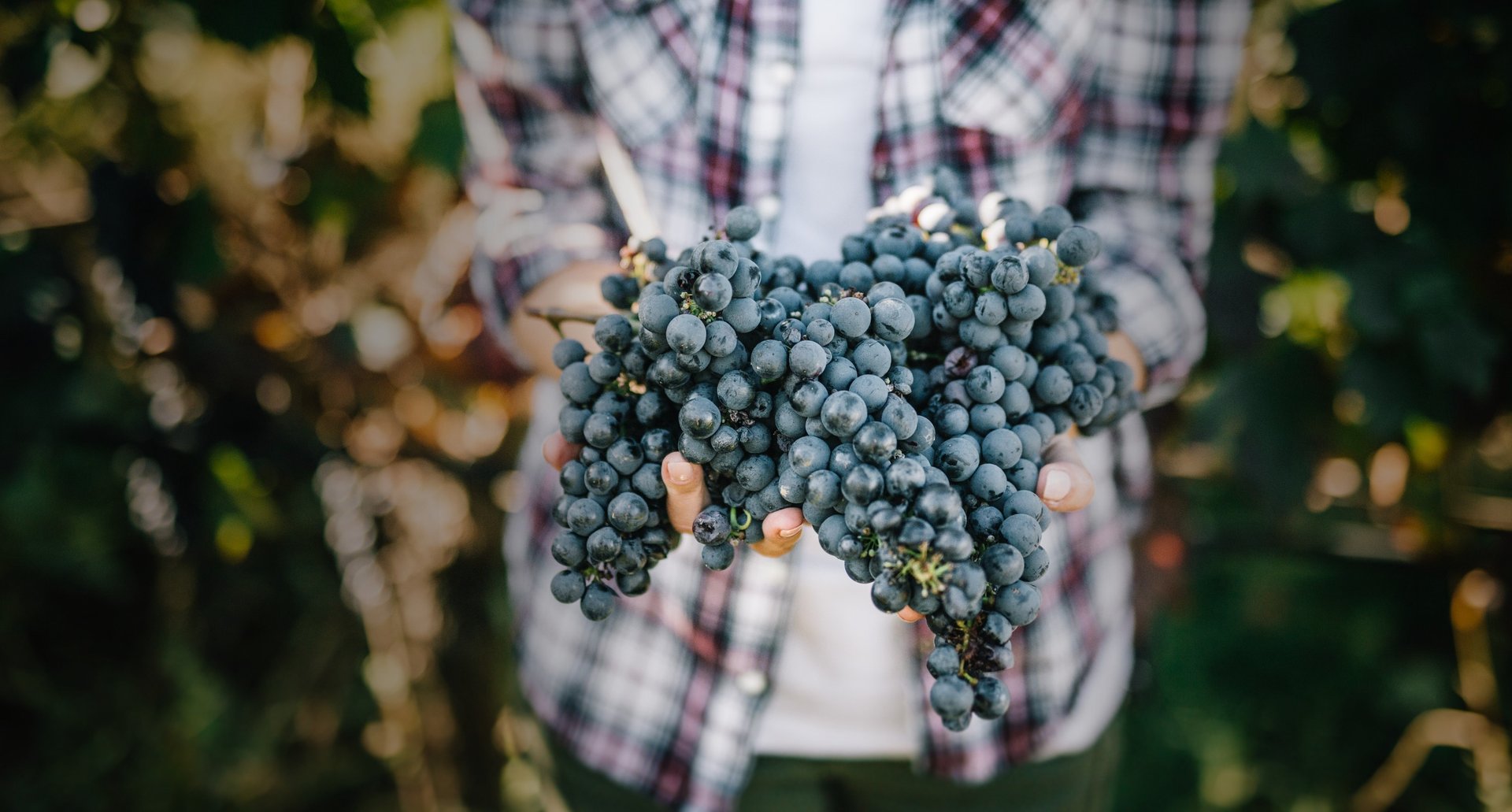
The harvest is the most important time of the year for every winemaker, it is a short space of time in which every move matters and you need to obtain the best from the work of an entire year.
"No mistakes are allowed, it’s a one shot!"
Thus we need to start with the right foot from the vineyard and picking the grapes manually is for sure the best way of preserving the freshness and the quality of the fruit.
"Only the best fruits are collected!"
The harvest is done in the early hours of the day before the heat slams in and all is crushed within an hour of the picking. This is possible because all of our 40 ha are all surrounding the winery and not displaced somewhere else.
"Once the grapes arrive, we make a SECOND MANUAL SELECTION of the grapes to enhance even further the research of the quality!"
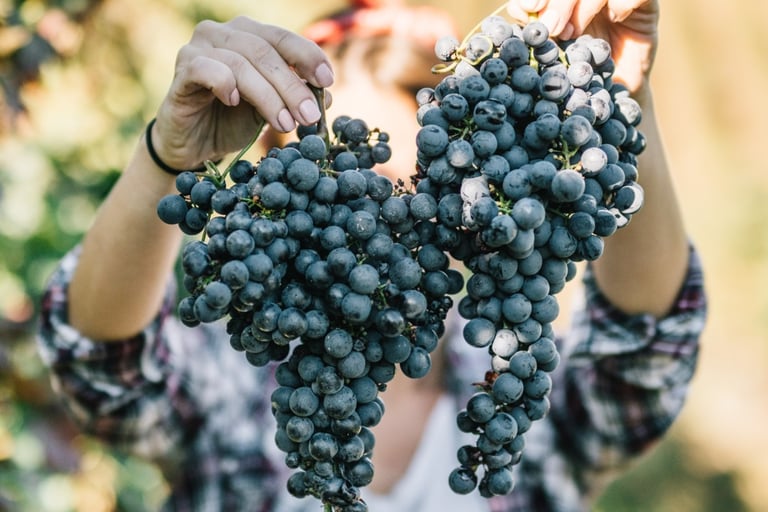
Strictly manual harvest
The harvest is the most important time of the year for every winemaker, it is a short space of time in which every move matters and you need to obtain the best from the work of an entire year.
"No mistakes are allowed, it’s a one shot!"
Thus we need to start with the right foot from the vineyard and picking the grapes manually is for sure the best way of preserving the freshness and the quality of the fruit.
"Only the best fruits are collected!"
The harvest is done in the early hours of the day before the heat slams in and all is crushed within an hour of the picking. This is possible because all of our 40 ha are all surrounding the winery and not displaced somewhere else.
"Once the grapes arrive, we make a SECOND MANUAL SELECTION of the grapes to enhance even further the research of the quality!"
Separation of grapes from stems
"We see ourselves as custodians and ambassadors of a heritage shaped by natural beauty, enduring traditions, and a deep-rooted wine culture."
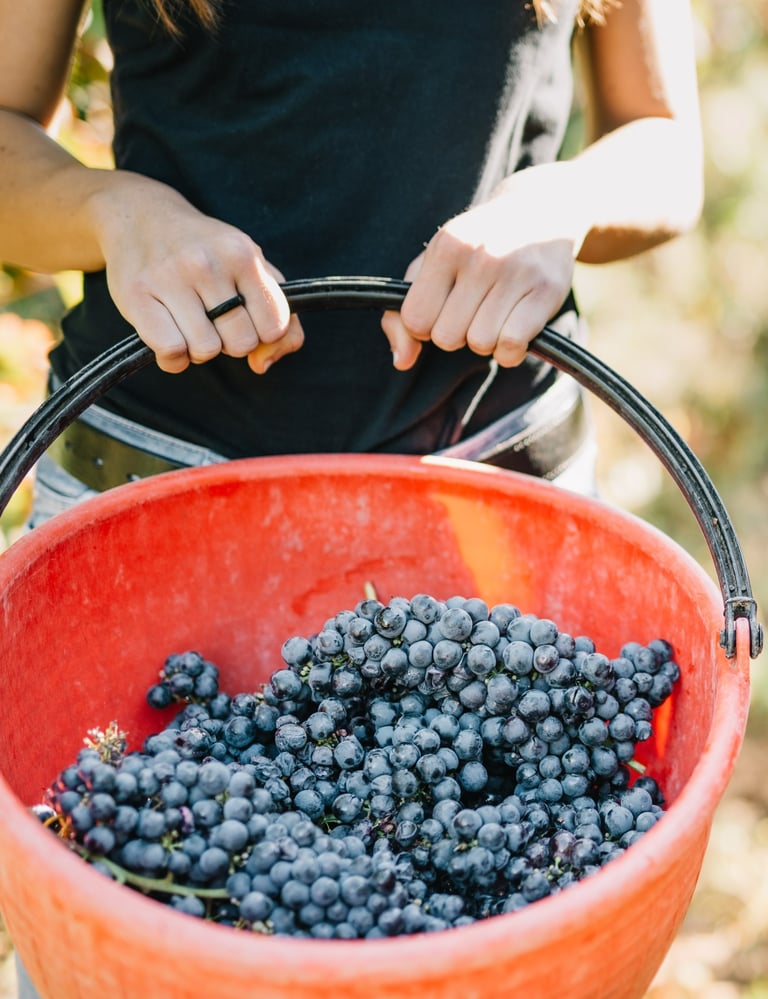
After the harvest, and before the fermentation, the grapes are destemmed using a specialised machine. This process is important for improving wine quality since it removes contamination of the green tannnins typically found within the stems, as well as other contaminants.
Separation of grapes from stems
"We see ourselves as custodians and ambassadors of a heritage shaped by natural beauty, enduring traditions, and a deep-rooted wine culture."
After the harvest, and before the fermentation, the grapes are destemmed using a specialised machine. This process is important for improving wine quality since it removes contamination of the green tannnins typically found within the stems, as well as other contaminants.
Gravity-fed grape pressing
Being a recently constructed winery has its perks, and thus the most innovative & environmentally clean technologies within the necessities of winemaking were incorporated in the design of this new building.
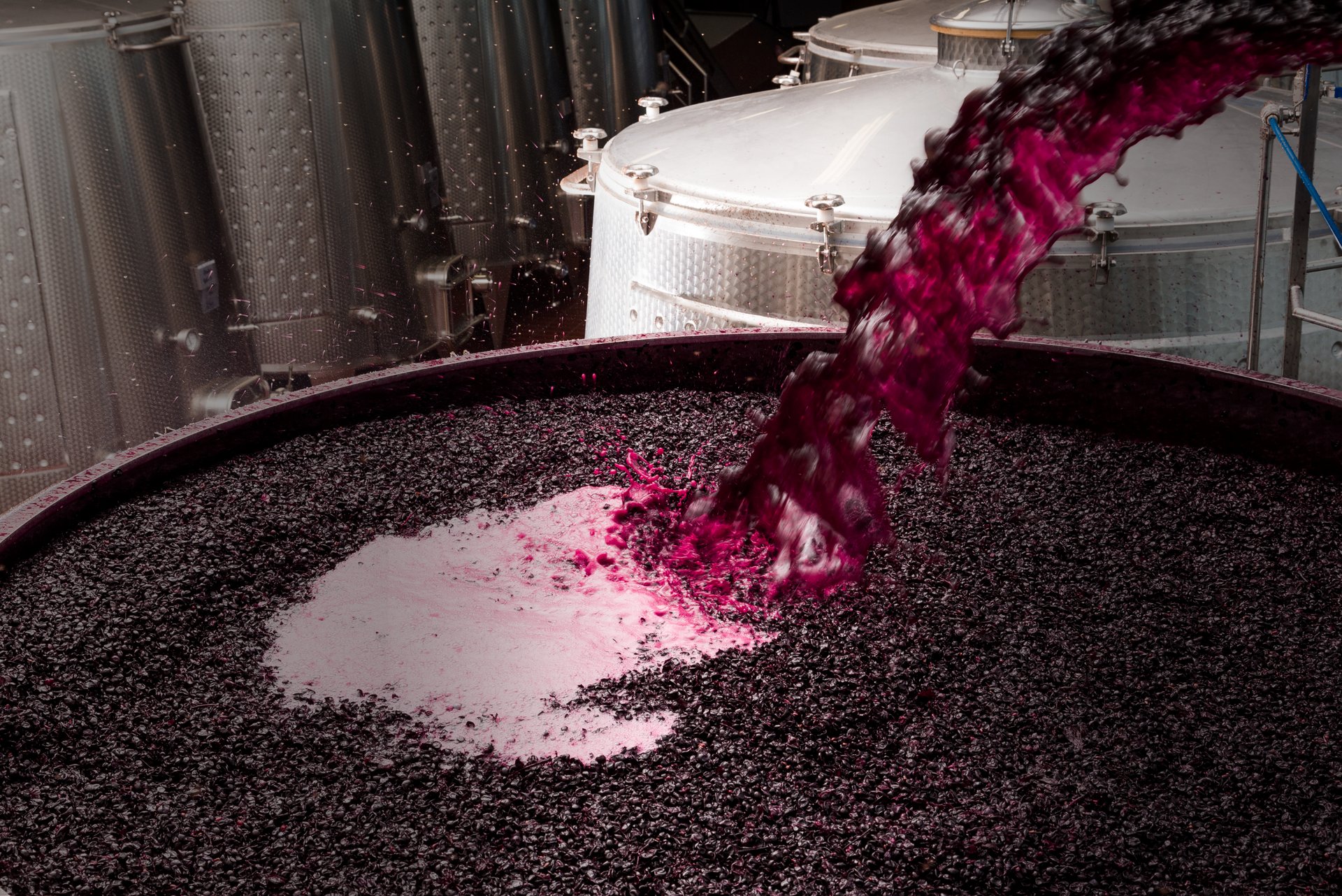
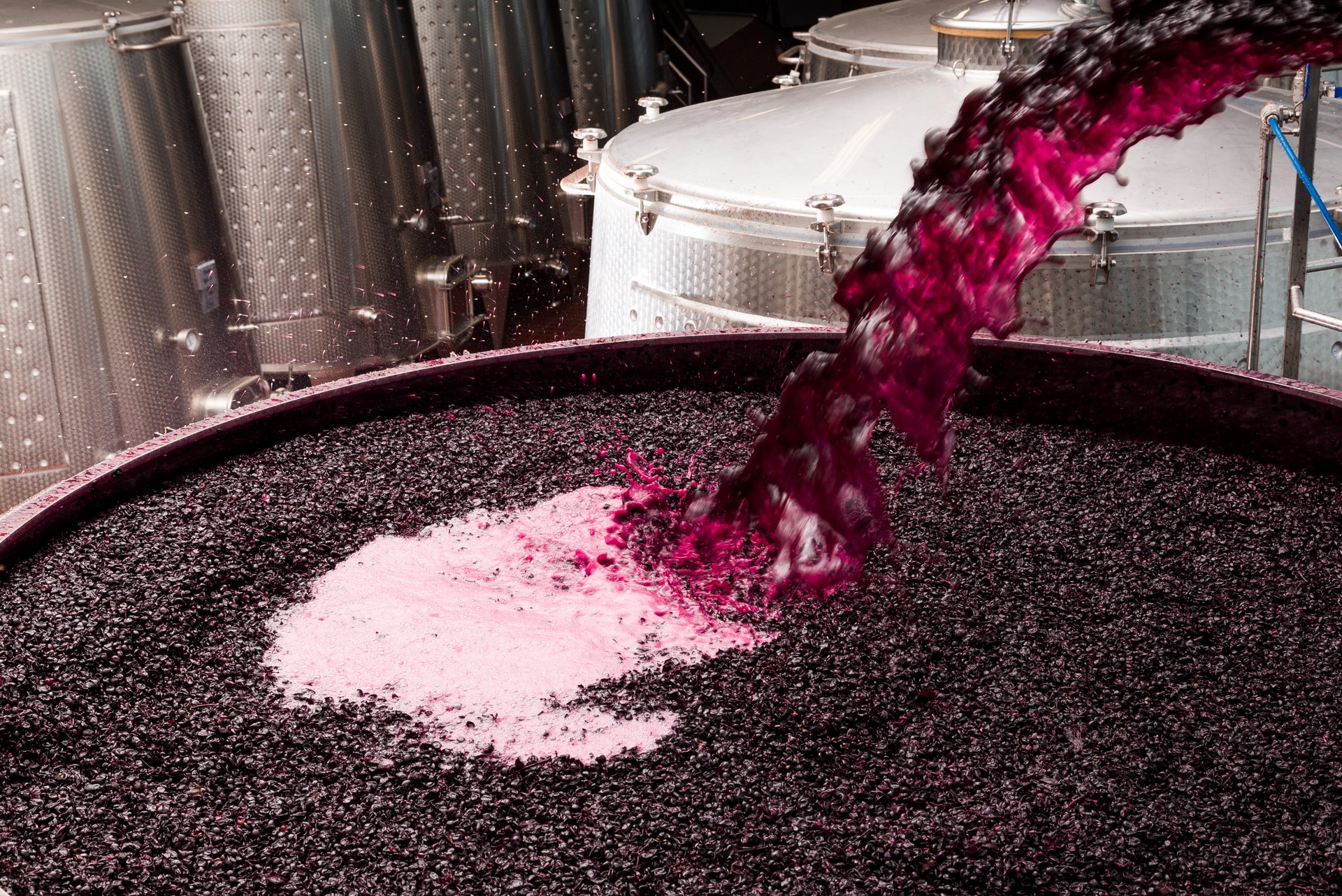
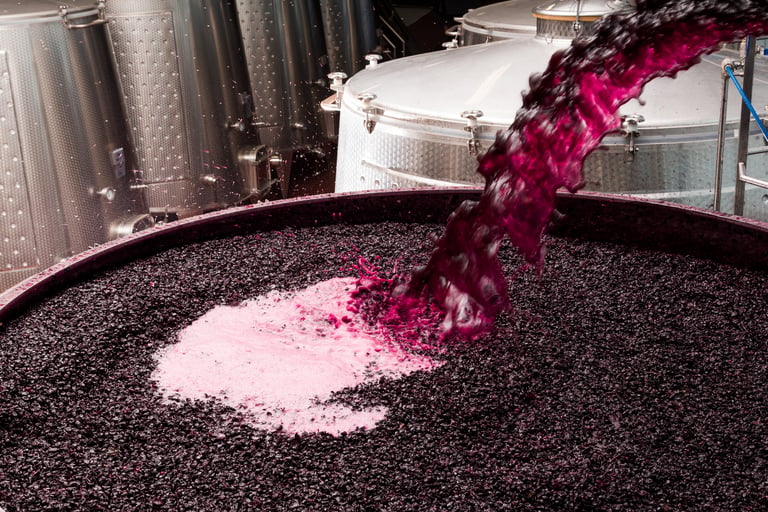
The most important one is the gravitational pressing of the grapes. This means that the clusters are not crushed mechanically but just thanks to gravity; falling from a height that allows the grapes to be gently crushed to extract the best part of the must.
"Also without energy being spent in the process!"
The clusters are first brought out on a terrace above the stainless steel fermentation tanks. Here, the destemming machine is connected directly with special holes in the floor, through which the grapes fall, that are connected to a slide that directs them directly in the tanks for their first fermentation.
"The pressing occurs when they hit the bottom, just thanks to the force impressed by the gravity through the falling."
By relying on gravity flow and minimizing the use of pumps, the pressing is more gentle and grape damage of the skin and seeds is reduced, thus limiting the extraction of unwanted tannins and herbaceous compounds. It also minimizes the must oxidation.
Gravity-fed grape pressing
Being a recently constructed winery has its perks, and thus the most innovative & environmentally clean technologies within the necessities of winemaking were incorporated in the design of this new building.
The most important one is the gravitational pressing of the grapes. This means that the clusters are not crushed mechanically but just thanks to gravity; falling from a height that allows the grapes to be gently crushed to extract the best part of the must.
"Also without energy being spent in the process!"
The clusters are first brought out on a terrace above the stainless steel fermentation tanks. Here, the destemming machine is connected directly with special holes in the floor, through which the grapes fall, that are connected to a slide that directs them directly in the tanks for their first fermentation.
"The pressing occurs when they hit the bottom, just thanks to the force impressed by the gravity through the falling."
By relying on gravity flow and minimizing the use of pumps, the pressing is more gentle and grape damage of the skin and seeds is reduced, thus limiting the extraction of unwanted tannins and herbaceous compounds. It also minimizes the must oxidation.
More Coming soon
More Coming soon
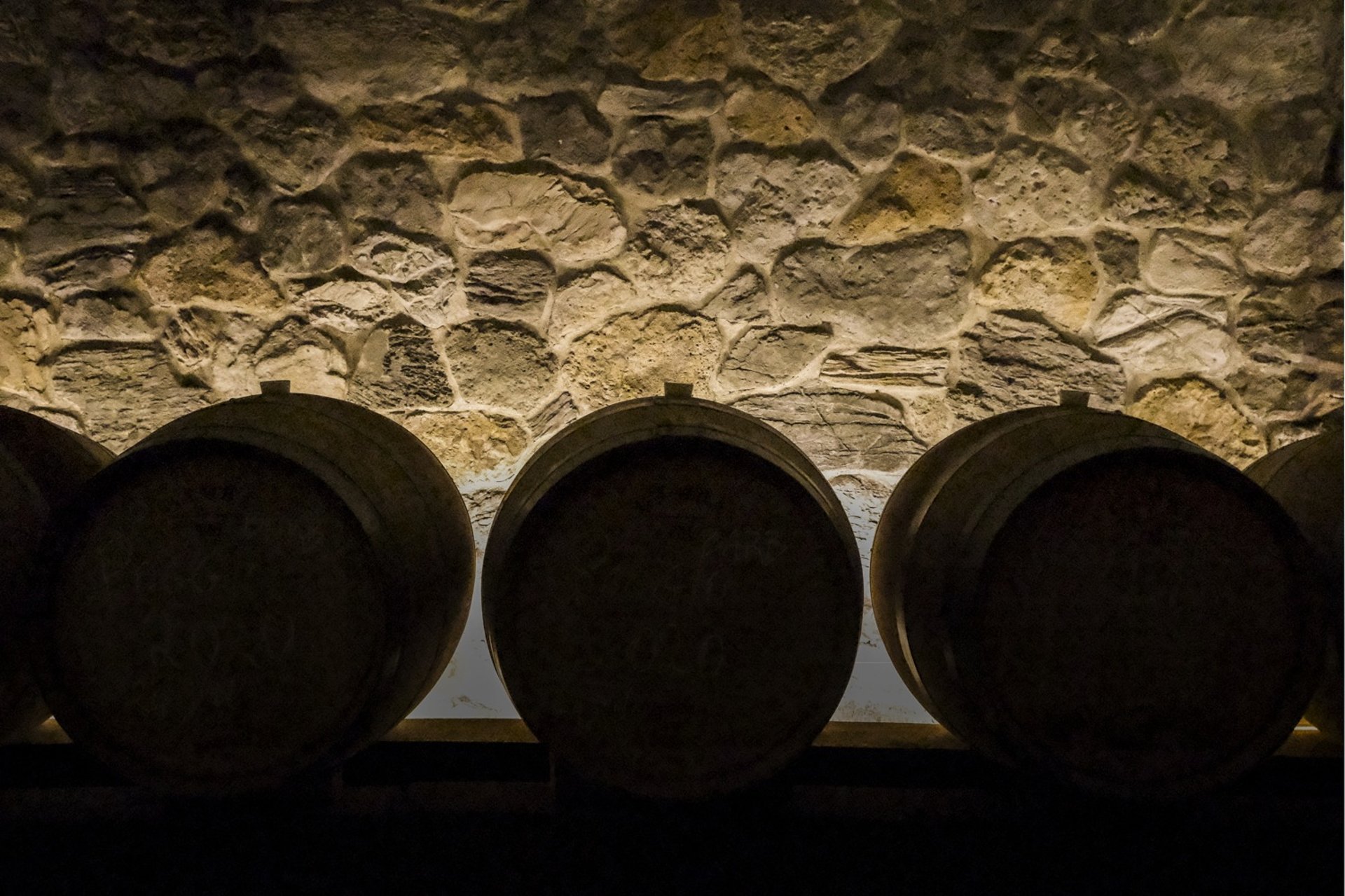
Temperature regulating stones
Together with low impact techniques and precision agriculture, dosing water, choosing organic fertilizers and green manure,
"We see ourselves as custodians and ambassadors of a heritage shaped by natural beauty, enduring traditions, and a deep-rooted wine culture."
Temperature regulating stones
Together with low impact techniques and precision agriculture, dosing water, choosing organic fertilizers and green manure,
"We see ourselves as custodians and ambassadors of a heritage shaped by natural beauty, enduring traditions, and a deep-rooted wine culture."
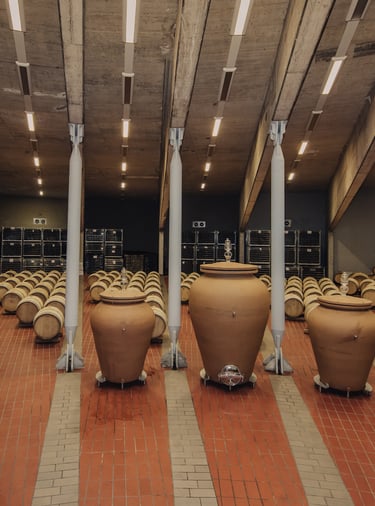
Monte delle vigne cellar
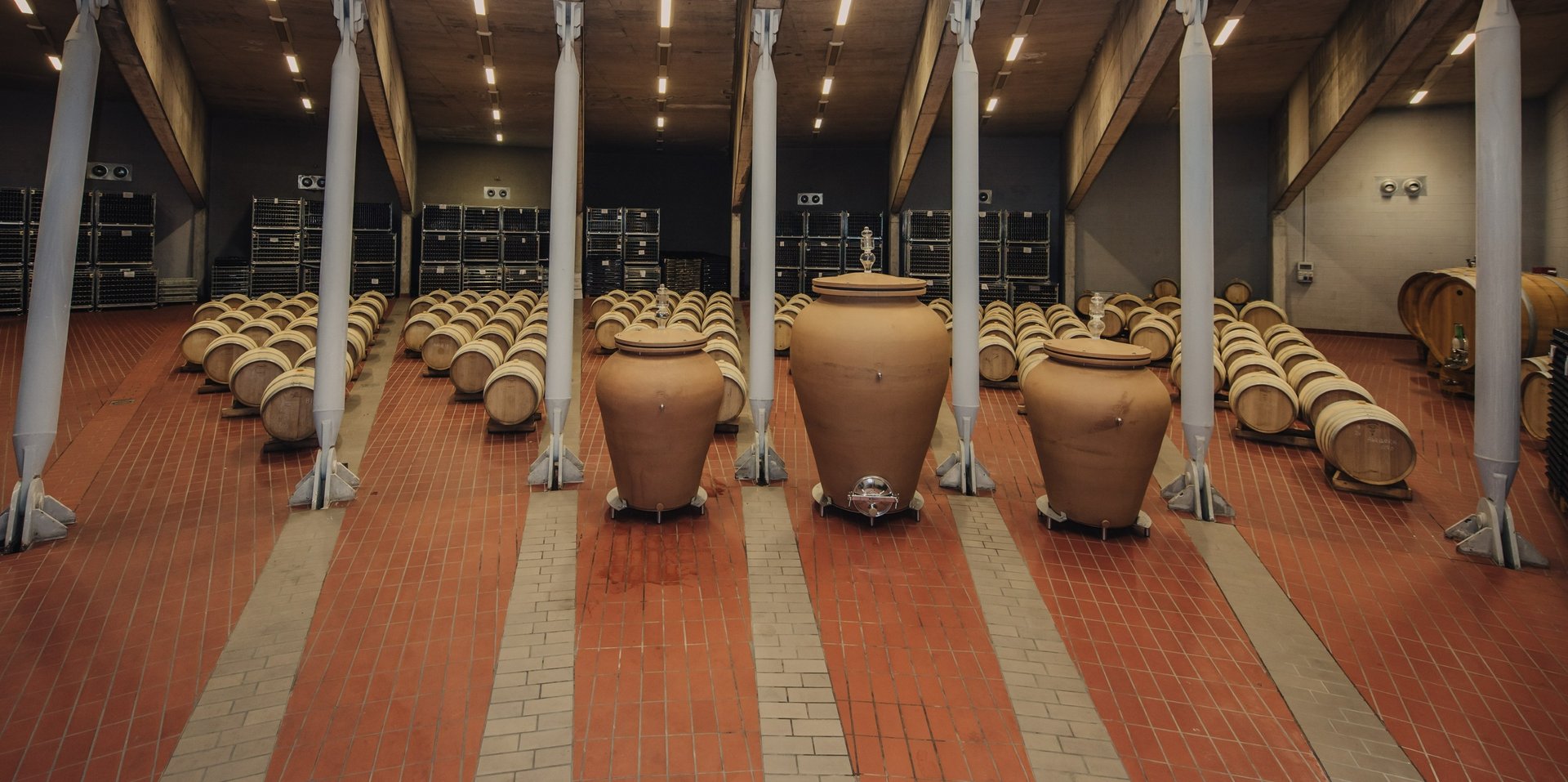
The cellar especially aims to be an example of energetic and environmental sustainability: a perfect blend of architectural aesthetics and productive functionality! Being built underground, its temperature is also naturally kept constant without the use of artificial systems. 40 KWp photovoltaic panels allows us to be sustainable during our mechanical cellar operations.
Route de France 111,
4400 Flémalle,
Belgium
WORKING HOURS
Monday - Friday
9:00 - 18:00
Website built by Aguarta
© 2026. All rights reserved.